How to follow up on a quotation when the customer does not reply
Use a respectful quotation follow-up sequence that clarifies the next decision without sending repetitive or misleading pressure messages.

Check the quotation before chasing the customer
Before sending another message, confirm that the quotation reached the correct address, the attachment opens and the validity date has not passed. Review the scope for an unanswered question. A customer may be silent because the next action is unclear, not because they need more reminders.
A useful follow-up identifies the quotation, offers help and asks for one small decision. Avoid invented deadlines, repeated daily messages or language that implies acceptance when the customer has not approved anything.
Use a four-touch sequence with a reason for each message
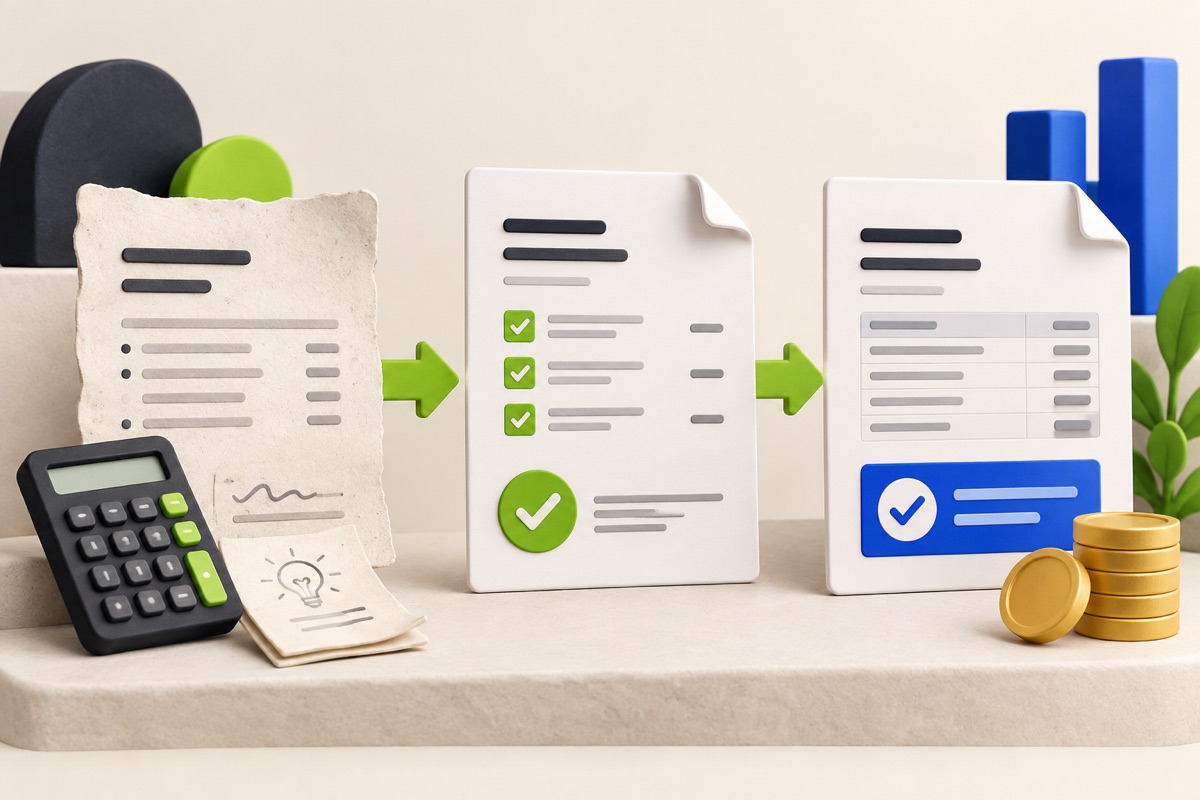
A practical sequence can be adjusted to the value and urgency of the work. First confirm delivery. Next answer likely questions. Later ask whether the project is still active. Finally close the loop and explain how to restart. The timing is a business choice, not a universal rule.
Example: “Hello Maya, I am checking that quotation Q-104 reached you and opens correctly. It covers the agreed installation scope and is valid until 30 September. Would you like me to clarify any line item before you decide?” The message is specific without claiming scarcity or a result that is not real.
- Reference the customer and quotation number.
- State the real validity date only if one exists.
- Ask one clear question.
- Offer a call or revised scope when appropriate.
- Record the reply and the next owner.
- Stop when the customer asks not to be contacted.
Change the message when the objection changes
If price is the concern, do not send the same reminder again. Ask whether the scope should be adjusted, then document the revised work and price. If timing is the concern, agree a later follow-up date. If another decision-maker is involved, provide a concise summary they can review.
Do not use a discount automatically. A lower price can reduce margin without resolving trust, scope or timing. If you make an offer, give it a truthful eligibility rule and expiry that does not reset for every visitor.
Turn follow-up into a visible team task
A reminder should have a quotation, due date, owner and outcome. UtilityHub Business can keep those details beside the customer record so a salesperson does not repeat a message already sent by another teammate.
Automatic sending is not a substitute for consent, deliverability and review. Begin with safe manual reminders, measure replies and then automate only a sequence you can monitor and stop. The customer should always understand who is contacting them and why.
Most relevant guides
Selected by shared topic, search intent and connected tools.